The Future of Webflow: 6 Trends to Watch in 2025
From GSAP animations to WordPress migrations, here are the forces reshaping Webflow in 2025 — and what they mean for agencies, freelancers, and marketers.
Webflow continues evolving fast. Here are the six developments that will define the platform in 2025.
1. Enhanced Animations and Interactions
Webflow's acquisition of GreenSock (creator of GSAP) signals serious commitment to advanced animation capabilities. The platform now enables 3D animations and intricate micro-interactions that were previously only possible with custom code.

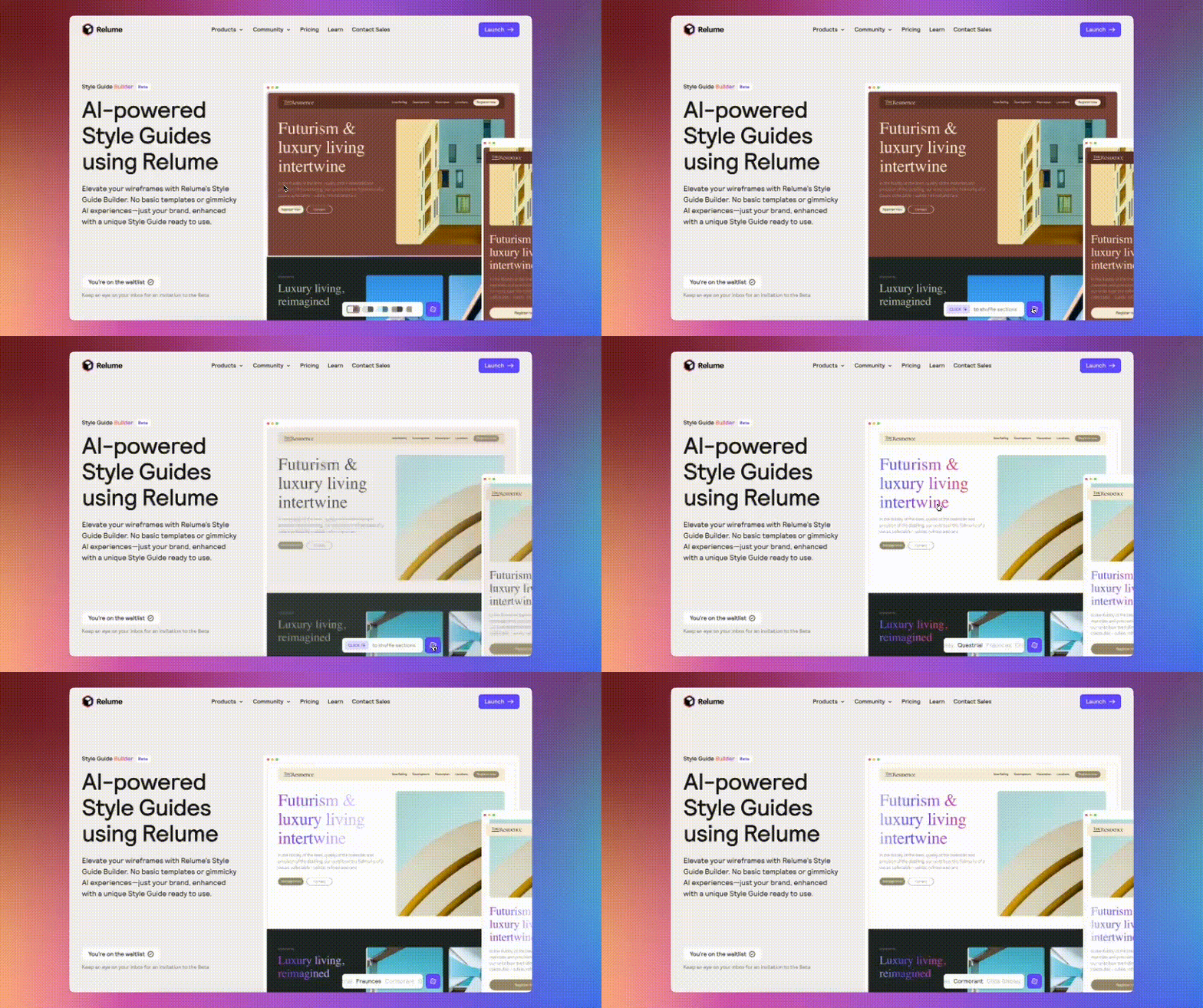
But designers should exercise caution. Overusing animations can overwhelm users, turning websites into distractions rather than purposeful experiences. The Relume Style Guide is a good example of getting the balance right.
2. Webflow Designer as Central Workspace
Webflow is transitioning from a website builder into a Website Experience Platform (WXP). Features like Webflow Analyze (analytics) and Webflow Optimize (personalization) consolidate multiple functions into one interface.
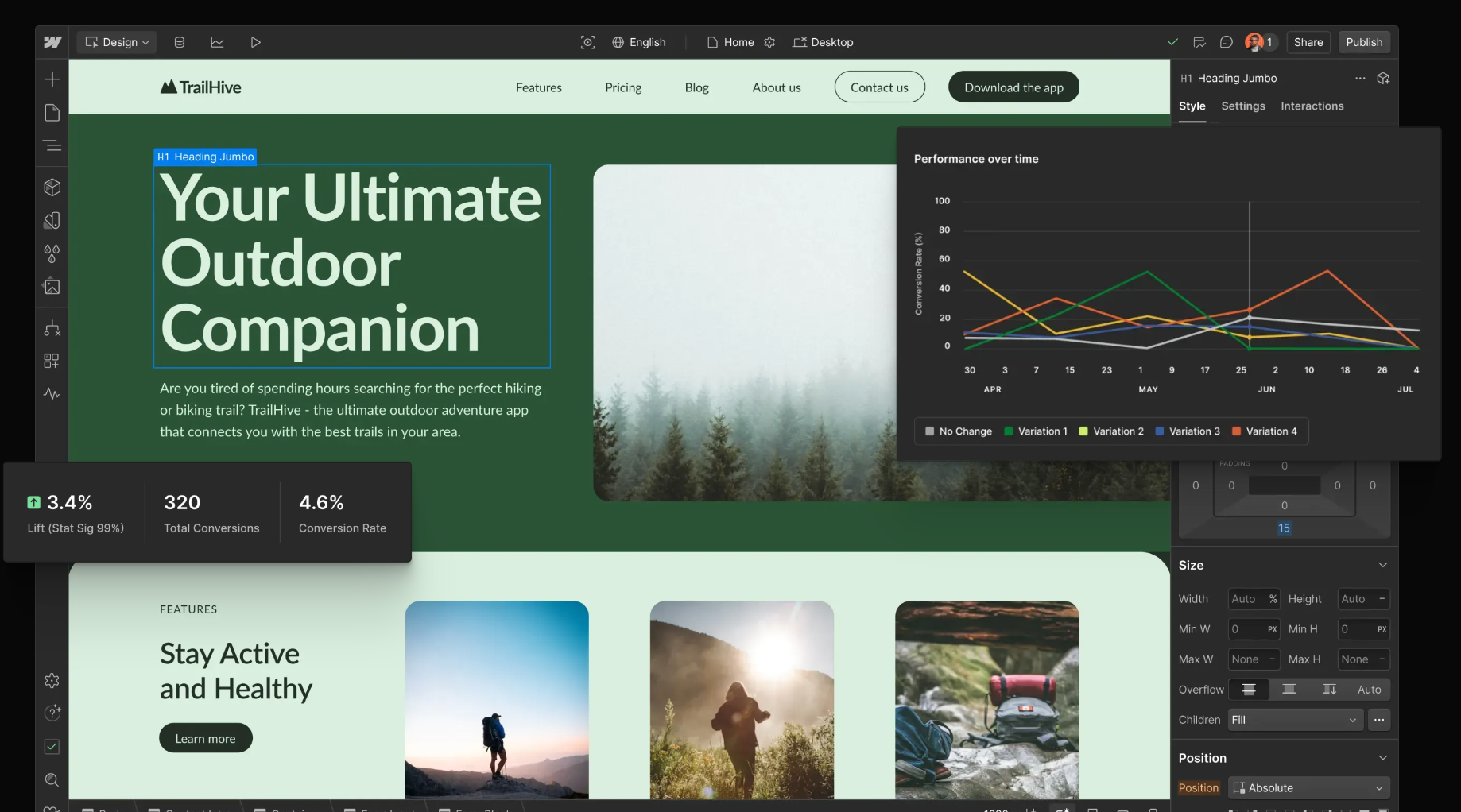
The promise is significant. The execution still has gaps — Webflow Analyze still lacks goal-setting functionality, for instance. But the direction is clear, and the integrations are growing.
3. Expansion of Third-Party Integrations
The Webflow App Marketplace is a pivotal development. It enables automation tools, CRM systems, and specialized applications to plug directly into Webflow projects. This ecosystem approach is what professional agencies and marketers need to compete.
4. Migration from WordPress to Webflow
Growing numbers of WordPress users are moving to Webflow, driven by frustration with maintenance overhead and security concerns.
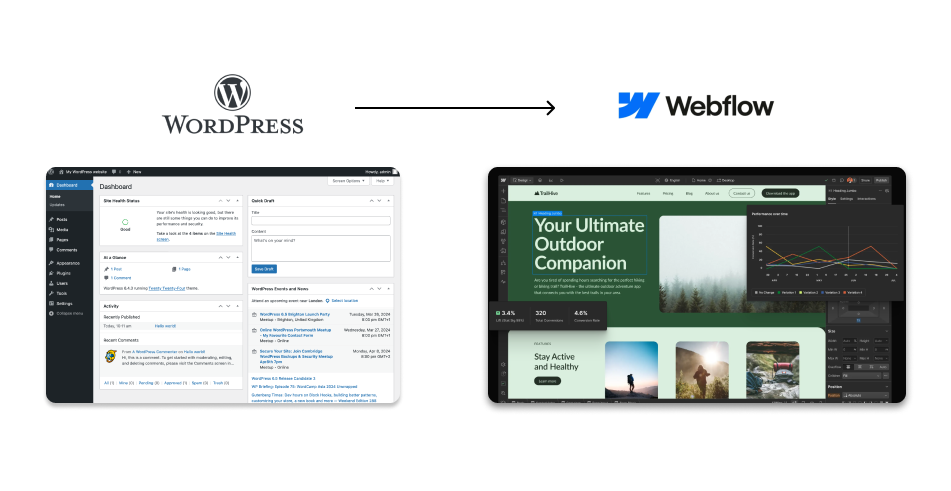
Migration isn't simple though. There's real SEO risk, and it requires significant time and budget investment — which means it's not the right move for every business. For those with the resources, the long-term gains are real.
5. Bandwidth Optimization and Pricing
Pricing remains a friction point. The CMS plan includes a 50GB bandwidth cap. Exceeding it up to 500GB can cost approximately $200/month without any additional features. For high-traffic sites on a budget, this structure is a genuine obstacle.
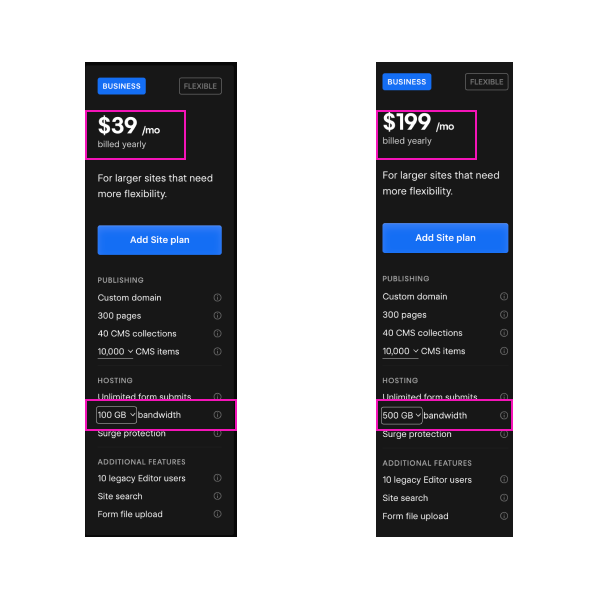
This is worth watching — either Webflow adjusts the model, or competitors will exploit the gap.
Conclusion
Webflow is the best tool for designers, content creators, and marketers who rely on websites as primary branding assets. The platform is maturing fast. For agencies and freelancers, that's an opportunity — the more powerful Webflow becomes, the more valuable the expertise to use it well.