How Google Search Works
No jargon, no unnecessary complexity. A plain-language explanation of how Google connects content creators with users — and what actually matters for ranking.
Google search serves as the gateway to the internet, connecting content creators with users. Most SEO explanations bury the essentials in technical jargon. This one doesn't.
Google's Core Role
Google connects two groups: website owners (content publishers) and users (content consumers).
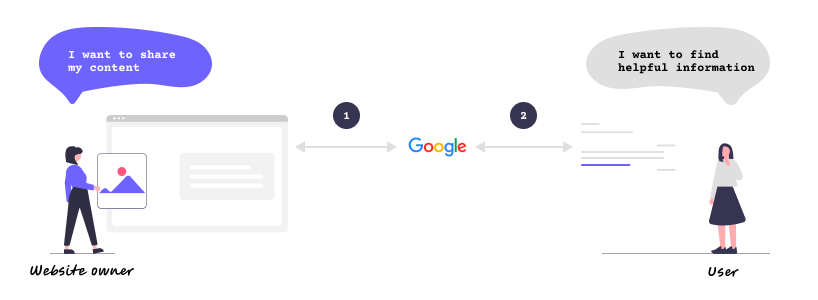
Understanding both relationships is what drives an effective SEO strategy.
Part 1: Google & Website Owners
Crawling
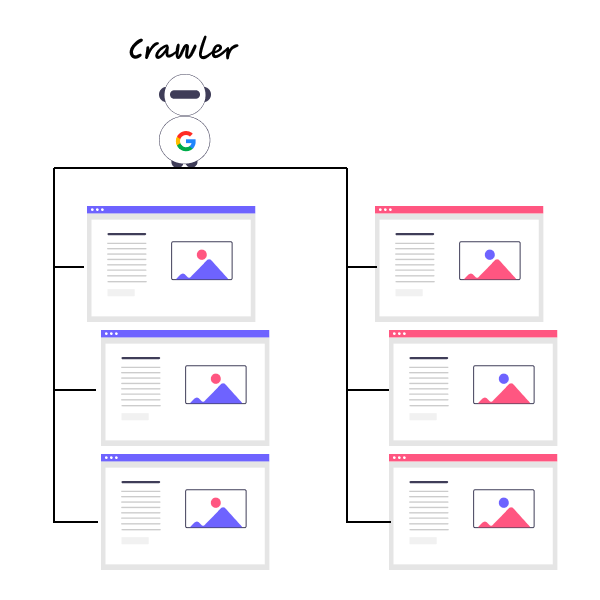
Google employs robots to analyze websites — like a librarian reviewing new books. These bots scan websites to identify relevant information, documented through files like robots.txt.
Indexing
After crawling, information is cataloged in Google's vast database, organized by topic.

You can verify your site is indexed by searching site:yourwebsite.com on Google.
Part 2: Google & Users
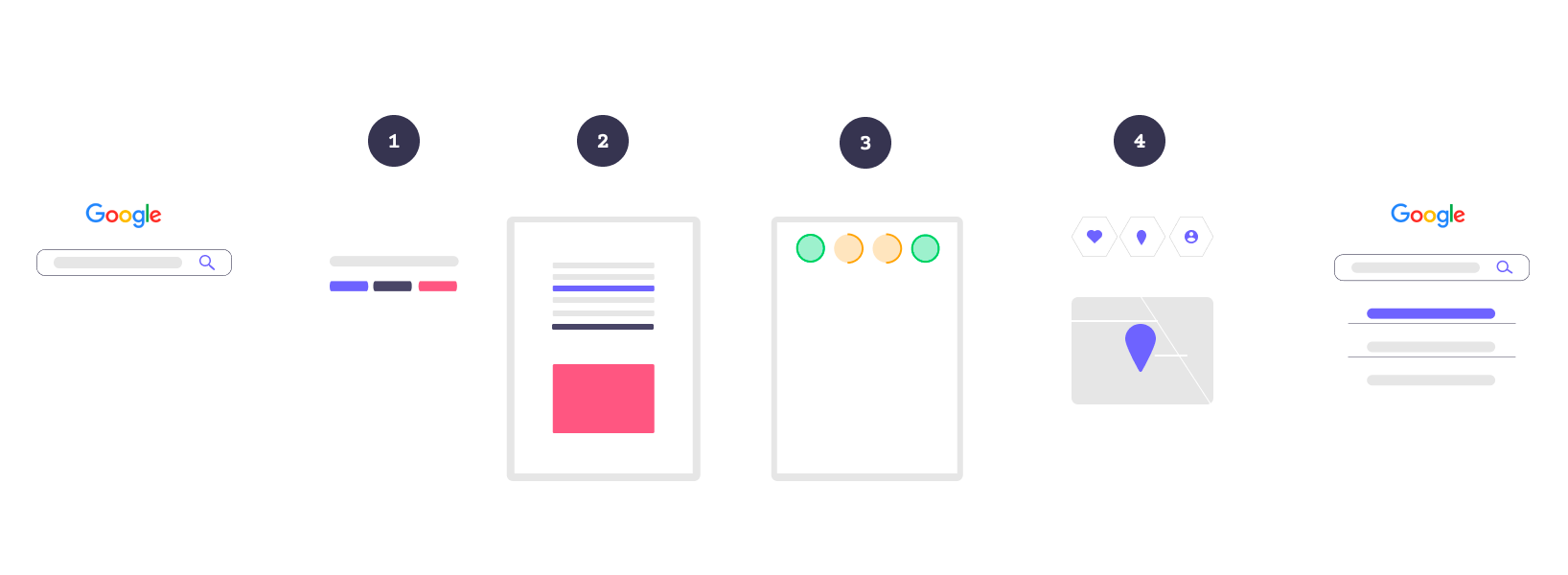
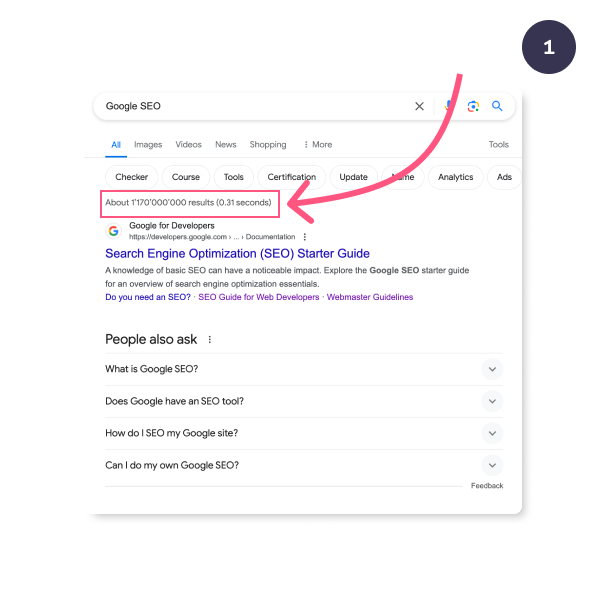
Once indexed, Google ranks pages against search queries in four steps — all completed in under 0.3 seconds.
A) Content Relevance
Google identifies indexed pages matching user search keywords from millions of results.
B) Content Quality
Two assessment criteria apply:
- Backlinks: Quantity and quality of sites linking to your content indicate reliability

- E-E-A-T signals: Expertise, Experience, Authority, and Trustworthiness evaluate credibility
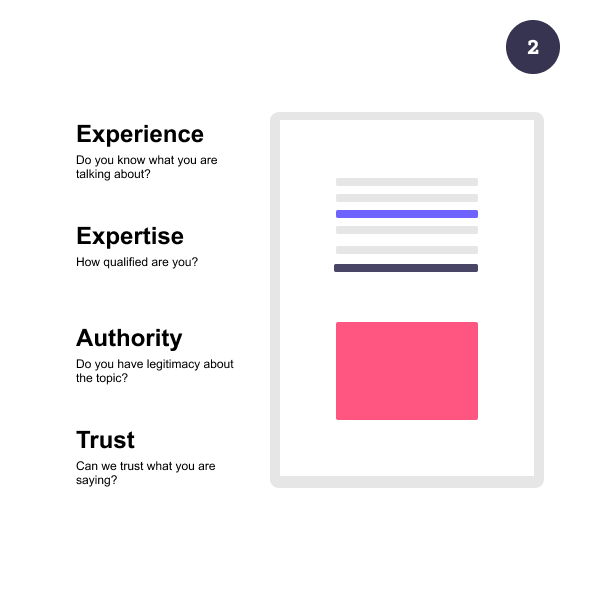
Google employs human raters to assess websites and feeds that data into machine learning algorithms.
C) Webpage Usability
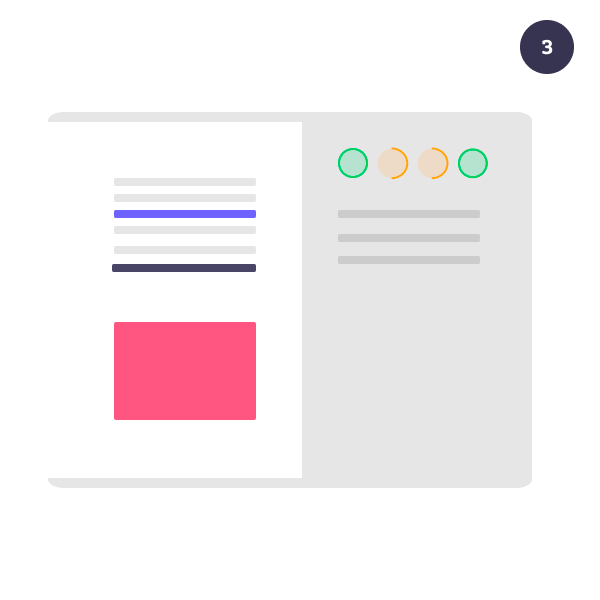
When websites perform similarly on content quality, Lighthouse scores determine ranking — evaluating performance, SEO, accessibility, and best practices.
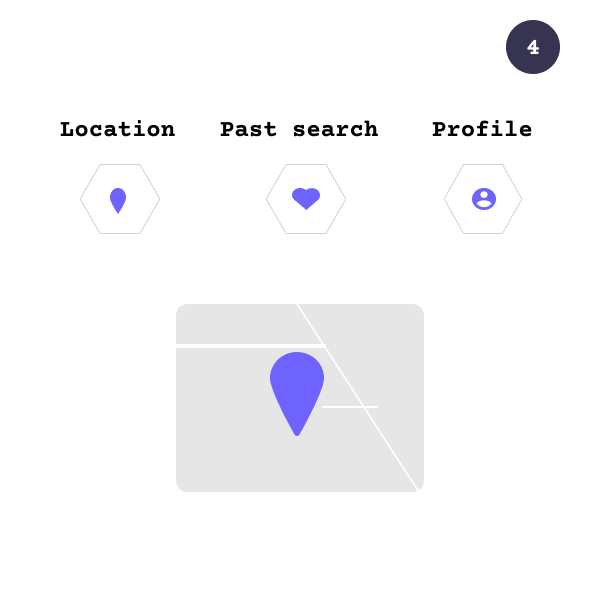
D) Context & Personalization
Location, search history, and user settings customize results delivery.
What This Means for Optimization
The entire ranking process completes in under 0.3 seconds. Most users examine only the first ten results and click three or fewer websites. That makes ranking in the top positions the only position that matters.
Three things actually move the needle:
- Content Relevance: Align user keywords with website content
- Quality: Create shareable, helpful content that attracts backlinks
- Performance: Prioritize speed, usability, accessibility, and best practices
Any optimization advice that doesn't fall into these three categories is likely unnecessary complexity — or someone selling you a service you don't need.